


Why Property in Portugal Continues to Be One of the Smartest Long-Term Investments
Portugal remains a resilient property market for buyers and investors. Explore why demand stays strong, rental needs are rising, and new housing rules make long-term rentals more attractive.
BUYING IN THE ALGARVE
Bruna Marcondes Rolph
2/13/20262 min read

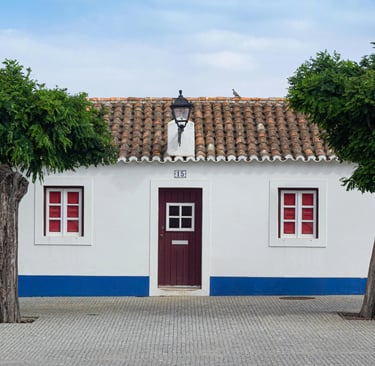
Property has, for a long time, been one of the strongest and most reliable forms of investment you can make — and it usually starts with buying your own primary residence. Owning your home provides security, long-term stability, and a tangible asset that tends to grow in value over time. Unlike many financial products, real estate offers something concrete: a place to live, rent, or pass on, while steadily building equity. In a country like Portugal, this combination of lifestyle and investment potential is particularly compelling.
The current housing market in Portugal continues to show resilience. Demand remains strong across both urban centres and lifestyle destinations, driven by a mix of local buyers, returning Portuguese families, and international investors seeking safety, quality of life, and long-term value. While prices have risen over the past years, this growth has been gradual rather than speculative, which is a key sign of a healthy and sustainable market. At the same time, supply remains limited in many areas, naturally supporting both property values and rental demand.
Rental demand, in particular, is one of the most defining characteristics of today’s market. Rising living costs, tighter mortgage conditions, and changing family structures have led more people to rent long-term rather than buy immediately. This has created a consistent and growing need for well-located, well-maintained rental properties — especially those aimed at permanent living rather than short-term tourism. For investors, this translates into stable occupancy rates and predictable income streams.
Recent housing policy changes have further strengthened the case for long-term rental investment. The new rules introduced by the government aim to increase housing supply and encourage long-term leases, making the environment more attractive for investors who have capital available and are willing to think beyond short-term gains. With improved tax conditions and clearer incentives for long-term rentals, investors can now structure their portfolios in a way that balances social responsibility with solid financial returns.
Overall, Portugal continues to stand out as a market where property investment and quality of life intersect. Whether purchasing a primary residence or investing in long-term rental property, the fundamentals remain strong: demand exceeds supply, rental needs are growing, and the regulatory direction is increasingly supportive of sustainable investment. In the next blog article, to be published next week, we’ll take a deeper look at these new housing rules — explaining exactly what has changed and how investors can make the most of them in practice.